If you have ever stood near an old masonry fireplace on a winter evening and felt a chilly draft at your back, you already know the paradox. The fire looks cozy, yet the house still feels cold. Traditional open hearths pull a huge volume of heated indoor air up the chimney, which forces the rest of the house to suck in cold outside air through cracks and gaps. That beautiful flame quietly sabotages your heating bill.
Fireplace inserts were designed to undo that waste. Properly sized, installed, and vented, a modern insert can transform a drafty fireplace into a reliable, controllable heat source. In older homes, where insulation and air sealing may lag behind modern standards, the payoff can be dramatic. The trick is matching the right technology to the home’s quirks and maintaining it with care.
Why older homes lose so much heat through fireplaces
Most pre-war houses rely on masonry chimneys that were built for open fires. These fireplaces run at a negative efficiency on cold days because they exhaust a towering column of warm indoor air. Even when the fire is out, the flue can act like a straw if the damper leaks, pulling conditioned air out of the house. A 36-inch open fireplace can evacuate 200 to 400 cubic feet of air per minute, depending on outside temperature and wind. You can feel it as cool air sliding across the floor, especially in rooms far from the hearth.
The losses don’t stop at air leakage. Traditional hearths radiate heat unevenly. The brick warms up near the firebox, but most of that heat goes straight up and out rather than into the room. If your home has original single-pane windows, uninsulated walls, or leaky rim joists, the fireplace compounds the problem: it steals heat that your furnace or boiler already paid to generate.
An insert tackles both issues at once. It seals the opening and creates a controlled combustion environment, then uses a sealed liner to move exhaust safely outdoors. Many models add a blower to push warm air into the room, or rely on strong convective design to circulate passively.
What a fireplace insert changes inside the system
Think of an insert as a self-contained heating appliance that lives inside your old firebox. It has a fireproof shell, an insulated firebox, glass doors, and engineered airflow paths. Instead of drawing air from the room and venting it freely up a giant flue, it meters combustion air, extracts heat efficiently, and uses a dedicated vent path sized to the appliance.
Two sealing points matter most. First, the insert blocks the fireplace opening with a surround panel, stopping room air from racing up the chimney. Second, a stainless-steel liner, sized to the insert’s exhaust, runs up the chimney to the top. That liner reduces the chimney to the right diameter, improves draft stability, and keeps flue gases hotter inside the pipe so they exit cleanly rather than condensing against cold brick. In older homes where chimneys are oversized, this right-sizing alone can reclaim a surprising amount of efficiency.
Beyond sealing and venting, the insert’s combustion and heat-exchange design is where the big gains happen. Modern gas fireplace inserts modulate flame and air mix, wood-burning inserts use secondary burn tubes or catalytic combustors to re-burn smoke, and electric fireplace inserts deliver heat with near-total input-to-output efficiency because there is no chimney loss. Each type offers a different blend of performance, maintenance, and ambiance.
Choosing between gas, wood, and electric inserts
Your house, your heating goals, and your tolerance for maintenance drive this decision more than any marketing claim.
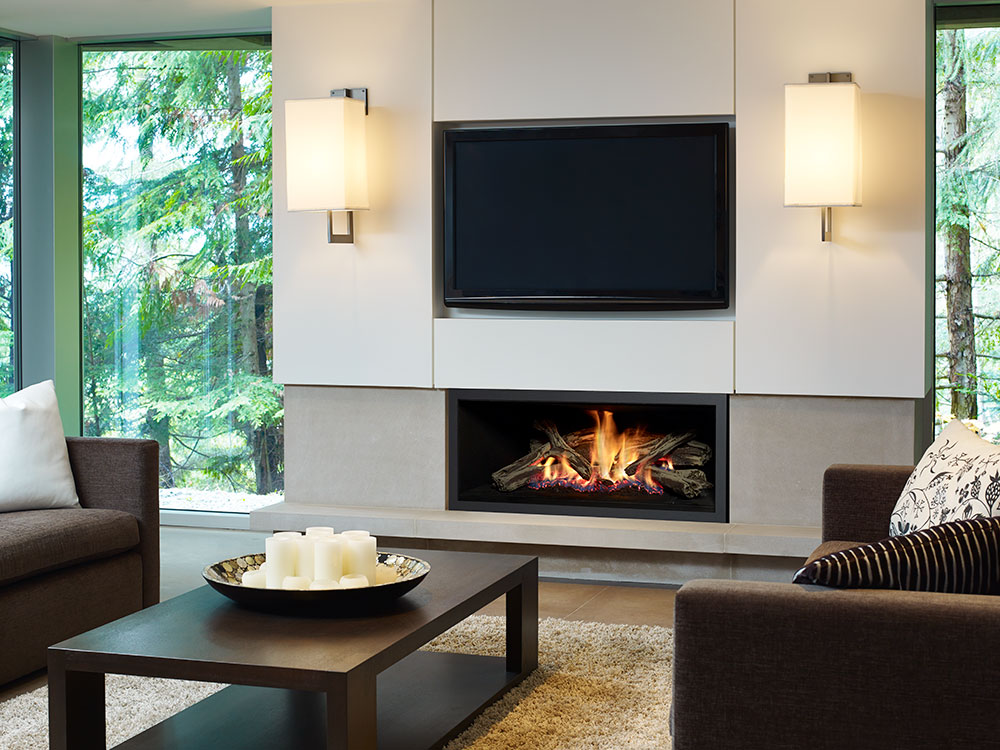
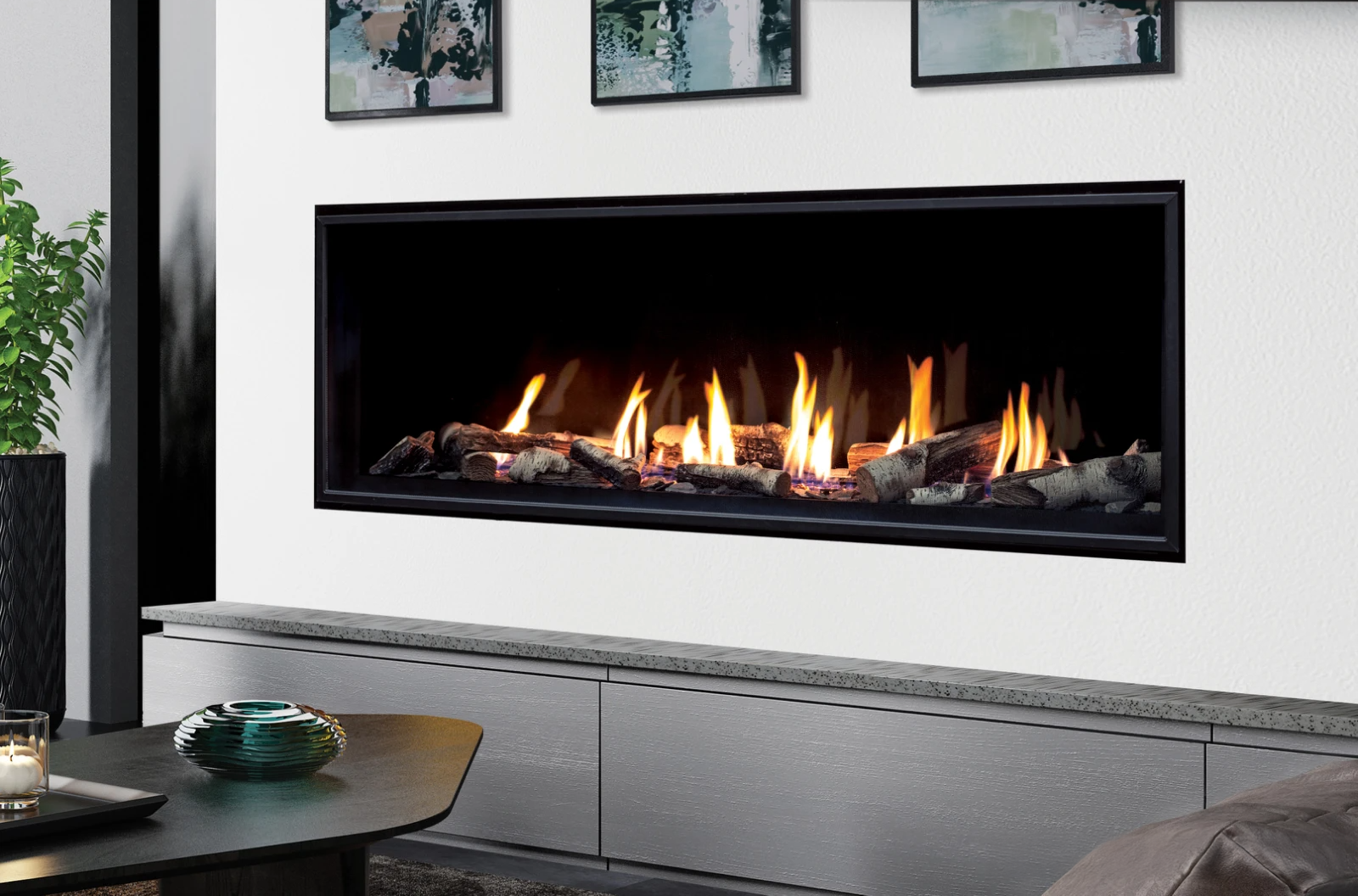
Gas fireplace inserts. If your home already has natural gas or propane, a gas fireplace insert is the most convenient upgrade from an open hearth. A good direct-vent gas fireplace runs with a sealed combustion system. It pulls outside air in and pushes exhaust out through a coaxial vent or two-pipe system, often routed through the existing chimney with a termination cap. This approach doesn’t steal indoor air, which is especially helpful in older, slightly leaky homes.
Real-world heat output for a mid-size gas fireplace insert typically ranges from 18,000 to 35,000 BTU per hour, with efficiency ratings that often land between 70 and 85 percent. Modulating burners and thermostatic remotes let you set a room temperature and walk away. If you have a long, narrow living room or an open floor plan, choose a model with a blower and a broad, low heat output range so you can avoid overheating the nearby seating area.
Wood-burning inserts. For homeowners who enjoy firewood or live where electricity can be unreliable, a wood insert delivers strong heat and resilience. EPA-certified wood inserts regularly hit 65 to 77 percent efficiency on a cordwood basis. Secondary burn technology re-ignites gases that would otherwise go up the flue as smoke. Catalytic models add a combustor to burn those gases at lower temperatures, extending burn time and smoothing heat output. With properly seasoned wood and a clean liner, a quality wood insert can heat a medium-size zone even during a winter outage.
Wood does bring chores and responsibility. You need dry fuel, space to store it, and routine ash removal. Chimney inspections and periodic Chimney cleaning service are mandatory to prevent creosote buildup. In older homes with irregular chimneys, the stainless liner install must be handled carefully to snake through offsets without crushing.
Electric fireplace inserts. Electric fireplace inserts eliminate combustion entirely, which solves a lot of problems in one stroke. There is no vent, no makeup air, and no flue loss, so every watt of electricity becomes a watt of heat at the point of use. Most plug into a standard circuit and produce about 4,000 to 5,100 BTU per hour through a resistance heater, enough to take the edge off https://www.linkedin.com/company/safe-home-fireplace/ in a sitting room but not enough to replace a central system in cold climates. In well-insulated spaces or temperate regions, they are a tidy, safe option, and they can be paired with a heat pump for efficient whole-home heating.
Where electric shines in older homes is control and simplicity. If your chimney is damaged, or you have moisture issues in the masonry, removing combustion from the equation avoids expensive rebuilds. The limitation is output. If your living room loses 20,000 BTU per hour on a 15-degree night, an electric unit won’t keep up.
How inserts improve energy use in practice
I have watched fuel consumption drop 10 to 30 percent in older homes after a well-matched insert and liner. The exact savings depend on how often you use the fireplace, how leaky the house is, and your existing heating system. Three mechanisms deliver the gains.
First, you eliminate the constant exhaust fan effect of an open flue. Even a closed damper leaks. A tight insert surround and proper top-sealed liner cut that stack loss drastically.
Second, you convert more of each unit of fuel into usable room heat. Gas inserts deliver steady heat with minimal cycling losses compared to a furnace that short-cycles in a small zone. Wood inserts produce long, controlled burns that soak the room instead of sending flames up the chimney. Electric inserts convert every watt to heat right where you are sitting.
Third, you can zone heat. In many older houses, the living room is where the family spends evenings. If you warm that space to 70 while letting the rest of the house idle at 64, you trim runtime on the main system. This strategy magnifies savings when energy prices spike.
The role of chimney condition and inspections
An insert is only as safe and efficient as the chimney and liner that support it. Before any fireplace installation, schedule chimney inspections with a qualified professional who understands both masonry and modern appliances. A visual level-one check is not enough for older chimneys that have seen decades of condensation and freeze-thaw cycles. Expect your technician to recommend a level-two inspection with video scanning if there are signs of damage, weird offsets, or evidence of previous flue fires.
A west inspection chimney sweep or similar specialist will look for cracked flue tiles, missing mortar, spalling brick, improper clearances to framing, and water damage from failed caps or flashing. These issues matter for more than safety. A wet or oversized flue robs heat from exhaust gases, which destabilizes draft, increases creosote in wood systems, and reduces efficiency.
Once an insert is selected, the installer should spec the right stainless-steel liner diameter, typically 4 to 6 inches for gas fireplace inserts and 6 to 8 inches for wood. Insulating the liner is often wise, especially in exterior chimneys. It keeps flue gases warm, which boosts draft on cold starts and reduces condensation.
Sizing and layout considerations that affect performance
In a drafty 1910 farmhouse, bigger isn’t always better. If a gas fireplace delivers 35,000 BTU per hour into a modest parlor, it will short-cycle or roast the sofa. Choose a unit with a broad turndown ratio, say 35,000 down to 12,000 BTU, and you will actually use it more. For wood inserts, look at the cubic feet of the firebox and the manufacturer’s stated heating area. Those ranges assume average insulation. In an older home, aim one size smaller than the spec suggests if the room is small and enclosed, especially if you prefer slow evening burns rather than ripping hot fires.
Room layout matters. Corner fireplace openings, tall ceilings, and stairwells can pull heat up and away. A quiet blower can help move warmth across the floor without creating a gale. If you avoid fans, choose a unit with a strong natural convection path: cool air in low, heated air out high, with a wide top outlet to spread warmth.
Real-world outcomes: what homeowners report
When clients switch from an open hearth to a sealed insert, they usually mention three changes in the first week. The room feels warmer with a smaller flame. The rest of the house feels less drafty because the negative pressure has calmed down. The thermostat calls less often, particularly in evening hours. Gas fireplace owners tend to use the insert daily once the outside temperature drops below the mid-40s. Wood insert owners settle into a rhythm of one or two loads per evening and often report a 25 to 50 percent reduction in boiler runtime, depending on how vigorously they feed the fire. Electric users describe a stable, gentle warmth that pairs well with a small heat pump or baseboard system.
The maintenance story also shifts. Instead of fussing with a damper and smoke in the room, gas users have annual service to check the pilot or igniter, clean the glass, and verify vent integrity. Wood users commit to annual Chimney cleaning service and hearthside housekeeping but enjoy lower fuel costs if they have access to affordable cordwood. Electric users focus on dusting and occasionally replacing a fan motor after years of use.
Venting and safety details you cannot skip
Older homes often have oddities inside their chimneys: offsets, old thimbles from orphaned appliances, or partial clay liners hidden behind plaster. That’s why a thorough evaluation and a full-length stainless liner are the standard for gas and wood inserts. Short “direct-connect” liners that tie into a clay flue partway up can work, but they risk smoke or moisture wandering into the chimney cavity, which shortens the masonry’s life and can reduce efficiency.
For gas fireplaces, insist on true direct vent with outside air for combustion. Vent-free gas logs can be tempting for their simplicity and high listed efficiency, but they dump water vapor and combustion byproducts into the room and are restricted or prohibited in many jurisdictions. In airtight or semi-tight older homes that have been weatherized, vent-free can cause condensation, odor, and air quality issues that defeat any energy gains.
For wood inserts, proper liner insulation is not optional in cold climates. If you have an exterior chimney with three sides exposed, insulating the liner can be the difference between a pleasant, easy-to-start fire and a smoky, cranky burn that coats the liner with creosote. Also check clearances to combustibles around the old fireplace. Many original surrounds used wood trim close to the opening that will not meet modern requirements once the insert runs hotter and longer than an open hearth ever did.
When an electric fireplace insert is the smartest move
Some older chimneys are simply not worth saving. If a video scan shows missing flue tile, severe mortar loss, or structural cracks, and if a liner cannot be run safely, an electric fireplace insert can retain the visual focal point without the cost of a rebuild. In houses where the roof is difficult to access or where historic exterior appearance rules limit chimney caps, removing combustion reduces risk, maintenance, and cost. Paired with an efficient heat pump, the total system efficiency can beat many fossil-fuel options on mild to moderate winter days.
The realistic flame effects on the best electric fireplace inserts have come a long way. While they don’t match the radiant punch of a wood unit, the controllability and instant on-off appeal to homeowners who want background ambiance and supplemental heat without ash and venting.
Budgeting: what to expect
Prices vary by region and scope, but some guardrails help with planning. A gas fireplace insert with a new direct-vent liner kit and professional fireplace installation commonly lands in the 3,500 to 6,500 dollar range, inclusive of labor. Add more if the surround needs custom metalwork or the hearth requires structural changes.
A wood-burning insert with a full-length insulated stainless liner typically runs 3,000 to 5,500 dollars installed. If the chimney crown is failing, or the masonry needs tuckpointing, expect those repairs to add 500 to several thousand depending on severity.
Electric fireplace inserts are usually the most affordable to install, with quality units between 700 and 2,000 dollars and minimal labor. If you need a dedicated electrical circuit, factor in an electrician’s visit.
Ongoing costs differ. Gas prices fluctuate, but high-efficiency gas fireplaces are predictable and low-maintenance. Wood can be cost-effective if you buy by the cord early in the season, or free if you harvest and season your own. Electric costs track your utility rate precisely, with the advantage of zero chimney maintenance.
Maintenance that preserves efficiency
Even the best insert will lose performance if neglected. Gas fireplace inserts need annual service to verify combustion, clean the burner and glass, and check seals and venting. Dust in the blower reduces airflow and comfort.
Wood inserts demand a rhythm. Burn seasoned wood under 20 percent moisture. Empty ash before it chokes airflow. Schedule Chimney cleaning service at least once a year, more often if you burn daily. A clean liner drafts better, which means higher combustion efficiency and less smoke in the first place. During chimney inspections, ask the technician to confirm that the cap, flashing, and storm collar are shedding water properly. Water is the enemy of masonry and metal alike.
Electric fireplace inserts are low-fuss, but vents and filters on units with heaters should be vacuumed periodically. If you hear bearing noise in the fan, addressing it early can extend the life of the motor.
Working with qualified pros
Good outcomes hinge on the people who measure, install, and service your system. Look for technicians who handle both chimney work and hearth appliances. They should offer documented chimney inspections, provide before-and-after photos, and explain their liner and insulation choices in plain terms. A reputable west inspection chimney sweep or regional equivalent will flag issues that hurt both safety and efficiency. If a contractor dismisses the need for a full liner on a wood insert or suggests vent-free gas as a cure-all, keep shopping.
Ask for the manufacturer’s installation manual upfront and compare the approved venting configurations with your chimney’s reality. On gas fireplaces, confirm that the gas line sizing supports the BTU rating, especially if other appliances share the run. On wood, verify hearth protection requirements, clearances to side trim and mantels, and the plan for outside makeup air if your house has been air-sealed.
Integrating an insert into a broader efficiency plan
A fireplace insert makes the most sense as part of a layered approach to upgrading an older home. The insert reduces chimney losses and delivers targeted heat where you live, but you multiply the benefit by improving the envelope. Air-seal the attic hatch and top plates, insulate the rim joist, add weatherstripping to original doors, and consider storm windows or interior panels if full window replacement isn’t in the cards. Every step reduces the load, which lets your insert work comfortably on its lower settings, keeping the room steady without swings.
If you are modernizing mechanical systems, think about how the insert affects thermostat placement and zoning. A thermostat directly across from the insert can misread the home’s overall temperature and throttle the furnace prematurely. Moving the thermostat or adjusting zoning keeps the rest of the house comfortable while you enjoy the fire.
Edge cases and trade-offs worth considering
Not every older home benefits equally. If your chimney runs interior to the house, is in excellent condition, and you only light occasional decorative fires, the raw energy savings from an insert may not justify the cost. If you are in a warm climate where winter is a few brief weeks, an electric fireplace insert may deliver the ambiance and supplemental warmth you want with little complexity.
Conversely, in cold climates with long heating seasons, an open hearth can be a liability even when it sits unused, because of the air leakage through the damper. In these cases, sealing the opening with an insert or, at minimum, adding a top-sealing damper produces immediate comfort gains.
There is also the aesthetic trade-off. A deep, open flame has a unique look. Gas fireplaces can mimic it well with modern media and burner design, but they won’t produce the same crackle or fragrance as real wood. If you choose gas, sample live displays and focus on flame modulation at low settings, since that is how you will run it most evenings.
A simple plan to move forward
- Schedule professional chimney inspections to evaluate structure, flue condition, and sizing. Ask for video documentation and recommendations specific to gas, wood, or electric. Define your goals: primary zone heating, backup heat in outages, or ambiance with supplemental warmth. This narrows your choice among gas fireplace insert, wood insert, or electric fireplace insert. Match capacity to the room’s heat loss and your layout. Favor broad turndown on gas fireplaces, appropriate firebox size on wood, and realistic expectations for electric fireplace inserts. Insist on a full-length liner for combustion appliances, with insulation where appropriate, and verify clearances and hearth protection per the manual. Plan for maintenance: annual service for gas, yearly Chimney cleaning service for wood, and periodic dusting or fan care on electric.
Older homes deserve solutions that respect their character while improving comfort and efficiency. A well-chosen fireplace insert does both. By sealing the biggest air leak in the living room and converting fuel to heat with far less waste, you turn the fireplace from a nostalgic energy drain into a practical, dependable part of your heating strategy. With careful fireplace installation, verified venting, and routine care from a qualified chimney sweep, the improvement is immediate and durable. On winter nights, the room finally feels as warm as it looks.