Smart home controls have reached the hearth. For gas fireplaces, the shift from a wall switch and a pilot light to thermostats, timers, sensors, and phone apps brings real benefits, not just gadgetry. Done well, smart controls simplify daily use, reduce wasted fuel, and add safety layers that old log sets never offered. Done poorly, they create confusion, break in the first cold snap, or interfere with basic safety interlocks. The difference comes down to matching the control system to the fireplace you own, installing it correctly, and using the right checks and habits.
I design and service hearth systems in homes that range from century-old bungalows to new builds with whole-house automation. I have seen how people actually use their fireplaces on a dark January morning or during a surprise spring cold front. I have also traced weird intermittent shutdowns to a loose thermopile connector and watched smoke alarms go off because someone covered a heat sensor with a throw blanket. Smart controls solve problems, but only when they respect the realities of heat, combustion air, and the quirks of gas valves.
What “smart” really means for a gas fireplace
Most people picture a phone app that turns the flames up or down. That is part of it. But the smartest controls are the ones you stop thinking about after the first week. They do routine things with quiet reliability: light the burner at a set temperature, shut off before you fall asleep, and lock out if a sensor sees a problem.
For gas fireplaces and gas fireplace inserts, the control stack typically includes these elements, some or all of which can be wired or wireless:
- An ignition module or gas valve board that interprets commands and controls the pilot and main burner. A thermostat, either wall-mounted or inside a handheld remote, which can hold a set temperature or run on a schedule. Safety sensors, usually proving flame, monitoring spill or draft, and sometimes watching CO and room temperature as a cross-check. An integration bridge for smart-home platforms like Google Home, Alexa, HomeKit, or a proprietary app that ties the fireplace to Wi-Fi.
Electric fireplace inserts live in a different category. They emulate flames and deliver resistance heat, so their “smart” features resemble those on a space heater: digital thermostats, timers, and app controls. They do not involve combustion air, flue gas, or gas valves, which makes integration simpler and reduces maintenance. Still, electric fireplace inserts produce heat near delicate electronics, so component quality and thermal management still matter.
The anatomy of a modern gas fireplace control system
Let’s start with a direct-vent gas fireplace, the workhorse in many living rooms. This unit typically has a sealed combustion chamber, draws outside air, and vents through a coaxial pipe. The control path:
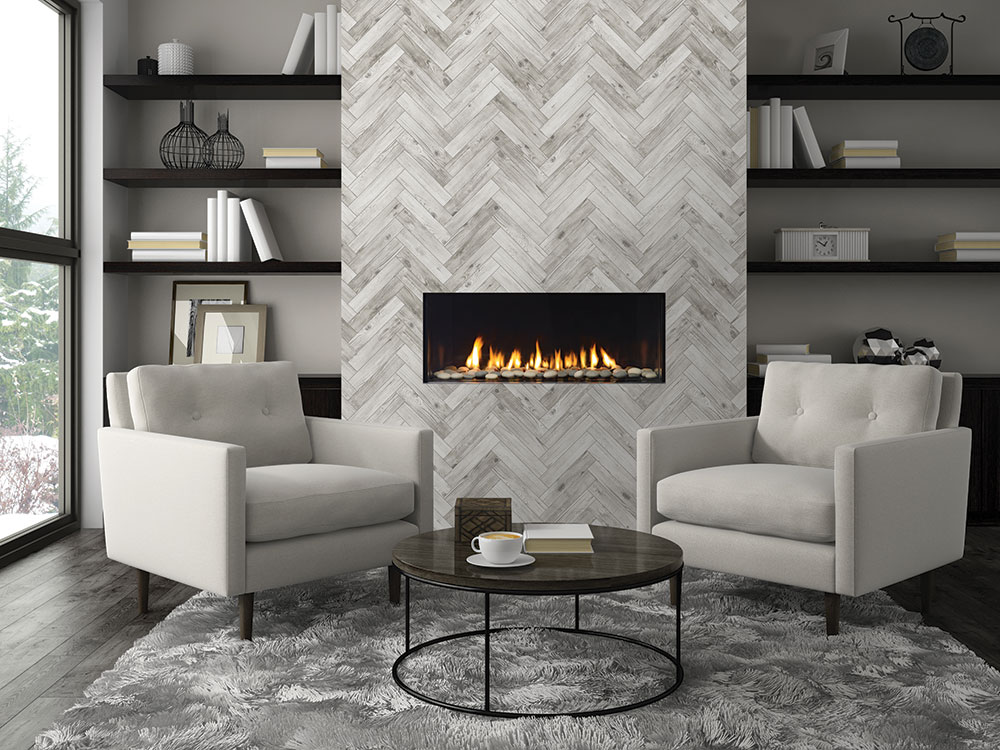
- Power and ignition. Many newer systems use electronic ignition, so there is no standing pilot. They spark when called for heat, verify flame with a flame sensor, and relight if the flame lifts. In a power outage, some models can still run because the thermopile generates voltage, though full smart features often require line or battery power. Valve and modulation. The gas valve may be a simple open/close design or a modulating valve that varies flame height and heat output. Smart controls can run the valve in stages, avoiding the on-off cycling that overheats the room and then chills it. Thermostat and setpoint logic. The thermostat can be in the room controller or in the app. Some fireplaces allow a differential or swing setting, which controls how many degrees of drop trigger a call. A tight swing gives steady room temperature but can lead to rapid cycling if the unit is oversized. Safety interlocks. Spill switches, high-limit switches, and glass temperature sensors can trip the system. A good smart module reports the cause of a shutdown with a code. Without that feedback, you end up guessing.
The same logic applies to gas fireplace inserts, which slide into an existing masonry or prefab fireplace and vent through a liner. Insert installations add the variable of older chimneys and surrounds. If a draft hood is loose or a liner is undersized, you can get nuisance trips when a modulating valve increases output. Smart controls are not a bandage for poor venting. A trained tech should resolve the fundamentals before layering on a Wi-Fi module.
Why convenience aligns with safety
Some smart features seem like minor conveniences until you see how they change behavior. The best example is scheduling. If a household knows the family room warms up automatically 20 minutes before breakfast, they do not run the unit at high flame all night. A thermostat paired with a simple weekday/weekend schedule can cut runtime by 20 to 40 percent, based on log data we see on service visits. Less runtime means less wear on valves and gaskets, lower chance of glass seal fatigue, and fewer times the unit operates while unsupervised.
Remote alerts push safety further. If a spill switch trips, it is useful to know which condition caused it. Some modules will send a code to the app, which helps the owner shut the unit off and call for service, instead of trying to relight several times. Likewise, a glass-surface temperature warning paired with a child-lock function can prevent burns. I have had two clients whose toddlers touched the glass while a parent stepped out for 30 seconds. After we enabled the child-lock, accidental startups stopped, and we added a physical screen and a room sensor that delays ignition until glass surface temperature drops below a threshold.
Choosing between gas fireplace, insert, and electric inserts
People often ask if they should go with a gas fireplace insert or stick with their existing unit and add smart controls. The answer depends on heat needs, venting, and aesthetics.
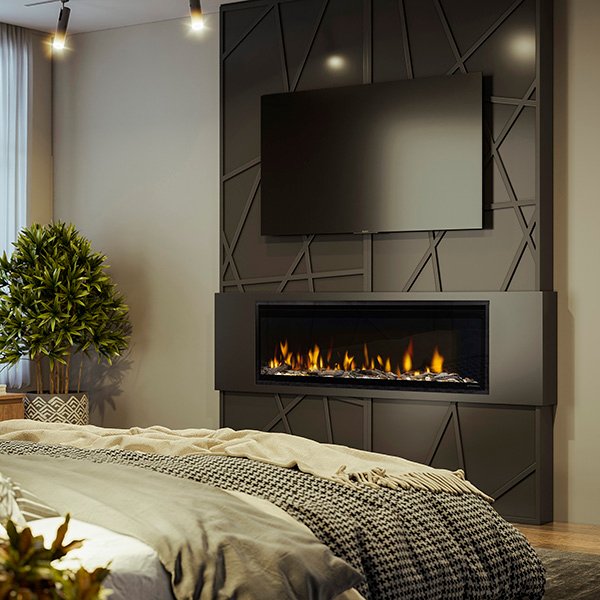
A built-in gas fireplace usually has the cleanest integration options. It was designed as a sealed system, often with a matched control module. If you want to enable app control, choose the manufacturer’s module or a recognized partner. That keeps flame sensing and fault codes consistent.
A gas fireplace insert excels when you have a masonry fireplace that you never use because it smokes or drafts poorly. The insert, installed with a proper liner and cap, gives you sealed combustion, reliable venting, and modern controls. Be careful with older chimneys that were never lined. Neglecting a liner during a fireplace installation creates condensation and soot in the flue that will shorten the insert’s life and lead to service calls. This is where a chimney cleaning service and formal chimney inspections pay for themselves. I recommend a Level 2 inspection before an insert goes in, especially in older homes or after an earthquake or chimney fire. If you hear the phrase west inspection chimney sweep in your area, that typically refers to teams that service the western side of a metro region. The key is not the label but that they document internal condition with video, measure draft, and verify clearances to combustibles.
Electric fireplace inserts look fantastic in condos and basements without gas service or where you want visual ambiance without a vent. Smart features here are mature because they piggyback on household Wi-Fi. You get precise temperature controls, schedules, voice commands, and straightforward safety lockouts. The trade-off is heat output and operating cost, which depends on local electric rates. At 1500 watts, you are looking at roughly 5,100 BTU per hour. A modest gas fireplace can deliver 15,000 to 30,000 BTU per hour, often more. If your goal is ambiance and supplemental heat in a tight room, electric can be a perfect fit. If you need to take the chill off a large open plan, a gas system with smart modulation is the better tool.
Integration with smart home platforms
It is tempting to add a universal smart relay and tie the fireplace to a voice assistant. That approach can work for basic on/off control on millivolt valves, but it bypasses valuable safety and flame-height functions in modern units. Most manufacturers now offer official Wi-Fi modules or hardwired gateways that preserve all safety interlocks and provide granular control like setpoint, flame level, fan speed, and accent lighting.
A few planning notes from field experience:
- Keep the control path simple. If the signal passes through a smart relay, then into a legacy thermostat adapter, then a transformer, you have created multiple failure points. Use one brain whenever possible, ideally the one designed for the valve. Consider network reliability. Fireplaces live near dense stone, brick, and metal surrounds that weaken Wi-Fi. A small access point mounted near the fireplace, or a hardwired Ethernet bridge if available, avoids random dropouts that cause missed schedules. Limit voice commands to safe states. I recommend disabling voice control for ignition if the fireplace is out of sight. Use voice to adjust flame height or fan after the unit is already on. A simple rule is this: if nobody can see the firebox, nobody should light it.
The maintenance side no app can replace
No smart control replaces a yearly service. With gas fireplaces and inserts, the checklist is more than dusting. We measure manifold pressure, verify flame characteristics, clean the pilot assembly, inspect and clean the glass, check gasket integrity, and test the spill switch. If the system uses a power vent, we test RPM and vibration. We also read and clear fault codes stored in the module. All of this reduces nuisance shutdowns and ensures smart features act on good signals.
Chimney inspections matter even with direct-vent units. Nests block caps, sealant cracks on the termination, and liners shift. A reputable chimney cleaning service will document the flue path, the cap and termination, and the condition of the surround. If you run an insert in a masonry chimney, ask for photos at the liner termination, including the top plate and storm collar. Professional crews who handle fireplace inserts daily know that a 5-inch liner forced into a 4.5-inch offset will work for a month and then give you headaches.
Safety layers worth insisting on
There are a handful of features that change outcomes. If you are comparing options, make sure you get at least these:
- Auto-shutoff timer with configurable maximum runtime. Whether the unit is heating a rental or your family room, an upper bound of two to four hours reduces risk. For rentals, lock the maximum lower. Clear diagnostic feedback. Codes in the app or on a handheld remote help you act. A vague “error” light wastes time. You want to know if it was a spill switch, a flame failure, or an overtemperature trip. Child lock and glass temperature awareness. Your installer can add a physical barrier plus a logic delay that prevents ignition when the glass is above a threshold from prior use. Battery backup or manual light (depending on valve type). In areas with frequent outages, a system that can safely ignite without household power is valuable. Not all electronic ignition valves support this. Ask before you buy. Verified CO and smoke detection in the same room. Smart does not mean immune to rare failures. Keep properly placed detectors. If your control module can listen for alarm signals or integrate with a whole-home alarm, even better.
The tricky cases that separate a good setup from a bad one
Smart systems reveal design flaws because they try to operate predictably. When the fireplace shuts off at the same room temperature every time, a draft or recirculation path stands out. Here are a few situations that generate callbacks:
Oversized units in small rooms. A 30,000 BTU unit in a 150-square-foot den hates small swings. It overshoots by 3 to 4 degrees, cracks glass seals faster, and heat-soaks nearby sensors. The fix is to use a lower output setting, enable modulation, and widen the thermostat swing to reduce short cycling. If you are planning a fireplace installation, size for the room, not the whole home.
Common flues with old dampers. An insert that vents through a liner should not share a flue with a furnace or water heater. It still happens. If that flue path is even partially shared, a smart control will flag spill conditions repeatedly. The only remedy is to reline or separate the appliances.
Cold-air return proximity. If a return vent pulls air near the fireplace, it can cause flame lift-off at higher fan speeds. Smart modules read this as unstable flame and shut down. Redirect the return or adjust the fan ramp. This is one reason a quick pre-season inspection pays dividends.
Aging thermopiles and connectors. Millivolt systems with add-on smart relays can become unreliable when the thermopile puts out marginal voltage. The relay steals a little more. After 20 minutes of runtime, heat drops voltage, the valve drops out, and you chase ghosts. Replace the thermopile and clean connections before blaming the smart gear.
Wi-Fi time drift and schedule confusion. Some modules keep time poorly if they lose internet. Schedules shift by minutes per week, so the unit turns on earlier and earlier. If your home network is spotty, choose a module that stores schedules locally with a quartz clock or tie it to a stable hub.

Retrofitting older fireplaces
For a 15-year-old direct-vent fireplace that still looks good, you can often add a smart thermostat-style remote https://lorenzorxfq764.theglensecret.com/gas-fireplaces-vs-electric-fireplace-inserts-pros-and-cons and, in some cases, a Wi-Fi bridge. Success depends on the valve type. Millivolt valves are easy to switch but give you limited control. You get on/off, maybe flame high/low if the valve supports it. Newer IPI or electronic valves often require a matched control module. Ask the manufacturer for compatible accessories. If they offer nothing, third-party devices can still work, but you must preserve safety chains. Never bypass a spill switch or high-limit switch to make an automation work.
If you are already planning a complete fireplace installation or replacing log sets, this is the time to choose a unit with integrated smart control. The price difference between a basic receiver and a full-featured module is modest compared to the labor of revisiting wiring later. Also, plan for service access. Smart modules and wireless receivers need space, cool airflow, and reachable batteries. For inserts, leave a service loop in the wiring and space for a small access panel behind the surround.
Gas cost, electric cost, and runtime
Homeowners are often surprised by how much heat a modulating gas fireplace can move with modest runtime. A well-tuned unit at 60 percent flame height may heat a 400-square-foot space with 45 to 90 minutes of runtime in an evening, depending on insulation and outside temperature. Compare that to an electric fireplace insert, which may run nearly continuously at 1500 watts to hold the same space at temperature. If your electricity rate is high and gas is relatively cheap, the math favors gas. Smart controls amplify that advantage by shaving runtime and reducing overshoot.
On the other hand, the simplicity of electric inserts, especially in multifamily buildings where venting is constrained, is hard to beat. Smart scheduling and a decent fan turn an electric insert into a reliable, quiet zone heater. No combustion, no CO risk, fewer annual tasks. When clients ask for the lowest-maintenance path to ambiance with occasional heat, electric often wins. When the priority is serious heat plus ambiance, gas fireplaces or gas fireplace inserts paired with a proper control module pay off.
The human factor: how people actually use their hearth
Tech specs matter less than habits. I ask new owners three questions:
First, do you want the room warm when you walk in, or do you prefer to light the fire only when you are seated? If you want the room prewarmed, use a schedule with a conservative setpoint and ramp the flame once you are home.
Second, do pets or kids spend time near the hearth? If yes, use a physical barrier and enable child lock, and set the fan ramp to avoid hot blasts when the unit first ignites.
Third, do you travel often? If so, enable remote alerts and use a vacation profile that disables ignition below a minimum ambient temperature for freeze protection in adjacent plumbing spaces.
I also recommend a quick weekly habit during the heating season: look at the glass and the flame. Lazy yellow flame or soot on the glass suggests incomplete combustion. A smart module might keep the unit running while the flame sensor is still proving, but you should schedule service. A clean blue base with distinct yellow tips is healthy. No app replaces an eyeball check.
Working with pros who know both sides: combustion and control
Not every HVAC contractor is comfortable with hearth products, and not every chimney sweep understands smart wiring and valve logic. The ideal partner does both. When you look for help, ask if they routinely install fireplace inserts and set up gas fireplaces with smart modules. A team versed in chimney inspections and wiring can spot interactions that computer-focused installers miss, like a termination cap that swirls wind back into the flue, causing intermittent flame-out at high fire.
Names vary by region. Whether you call a chimney cleaning service, a hearth dealer, or a west inspection chimney sweep outfit, the test is the same: do they take draft readings, verify clearances, document the liner, check the gas valve model, and confirm compatibility of any proposed smart module? If they skip those steps, keep looking.
A short, practical setup checklist
- Confirm valve type and manufacturer-supported control modules before buying third-party gear. Verify venting and perform or schedule chimney inspections, especially for inserts or older chimneys. Plan network reliability near the hearth. Use a local hub or strong Wi-Fi and protect the module from heat. Enable safety features: maximum runtime timer, child lock, and clear diagnostic codes. Schedule annual service that includes pressure checks, flame verification, and a cleaning of pilot and glass.
Where smart controls genuinely shine
The best feedback I hear is quiet satisfaction. A client with a gas fireplace insert in a drafty 1920s living room used to blast the burner for an hour, then sweat for the next hour. We installed a modulating valve module, set a wider swing, and enabled a preheat schedule for 5 p.m. Now the room hits 68 to 70 degrees smoothly. She uses the app once a week to adjust for weather. Runtime dropped roughly a third, glass stays cleaner, and there have been zero nuisance trips.
Another family swapped a questionable aftermarket relay for the manufacturer’s Wi-Fi kit on a direct-vent gas fireplace. The old setup bypassed a spill switch, which is a serious safety miss. The correct module restored safety chain integrity, gave them fan control and accent lighting scenes, and sent a clear code when a bird’s nest partially blocked the cap in spring. The notification prevented an all-day runtime with poor draft. A chimney tech removed the nest, and the system returned to normal.
These are ordinary wins: a bit less fuel, fewer annoyances, better safety. Smart, in the hearth world, is not flashy. It is a set of calm, proven features that fit the physics of fire and the realities of family life.
Final thoughts before you buy or upgrade
If you already have a functioning gas fireplace, start with maintenance, then add controls. Make sure the core is healthy. If you are choosing a new unit or a gas fireplace insert, select a model with integrated smart options and solid local support. If your space and usage lean toward ambiance and simplicity, consider an electric fireplace insert, and enjoy effortless scheduling and hands-off safety. Whichever path you choose, pair your tech with the fundamentals: sound venting, verified safety interlocks, and a brief seasonal check. That is how smart controls deliver both convenience and safety without surprises.